Overview
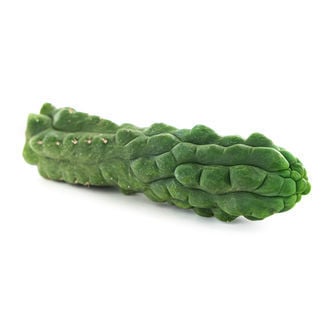
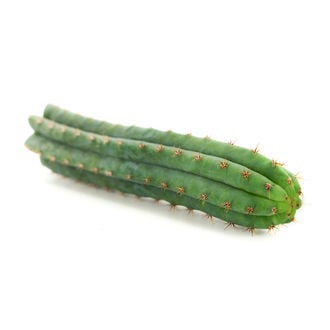
Smartshop · Mescaline CactiPeruvian Torch (Echinopsis peruviana) is part of our mescaline cacti range in the Smartshop. Native to the Andes mountains, Peruvian torch grows at high altitudes. However, you can also cultivate this mescaline-containing cactus in your house or garden.
About this format
Ethnobotanicals and natural products: kratom, kanna, blue lotus, salvia, mescaline cacti, herbs, extracts, microdosing kits and party essentials. Read the product page for the traditional use and the dose the supplier states.
From the supplier
Peruvian Torch (Echinopsis peruviana): Previously known as 'Trichocereus peruvianus'
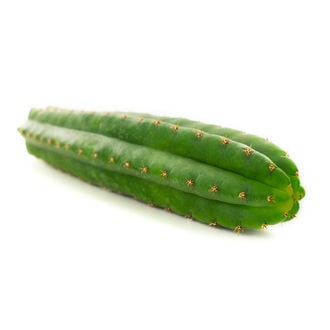
The Peruvian Torch (Echinopsis peruviana) cactus can be found in the Andes in Peru and Ecuador. Its natural habitat are the mountain desert areas at an altitude of 2000-3000 meters above sea level. It is a fast-growing columnar species and contains the well researched psychoactive alkaloid mescaline as well as other alkaloids. The plant is bluish-green in color and grows with 6-9 broadly rounded ribs, reaching a height of 3-6 meters at a diameter of 8-18cm. The up to 4cm long spines in groups of 6-8 are located at the nodes, which are evenly spaced along the ribs with a spacing of up to 2.5cm. A close columnar relative from the same genus, Echinopsis macrogona, is grown as a rooted cactus in much the same way.
Mescaline
The chemical formula for mescaline is 3,4,5-trimethoxyphenethylamine, it is a very potent mind-altering substance. Growers who like to start from scratch rather than with a rooted plant can get the very same species as a Peruvian Torch 20 seeds pack. Everything else, from rooted specimens to seed packs, is gathered in our cacti selection.
Cultivating the Peruvian Torch cactus
To grow your own Peruvian Torch clone simply place the cutting deep enough to stand on its own in special cactus soil with 25% washed sand and 35% perlite; soil for houseplants is not suited for cacti and their nutrient requirements. The soil should drain well and be able to hold enough of the moisture for at least a week without drying out. Rooting hormone is counter-productive! It can harm the tissue of the plant and open doors for bacterial or fungal rot. Let the cactus accommodate to its new home and develop a new root system on its own and DON'T water if for 2-3 weeks. Keep the freshly planted clone away from heat and direct sunlight, especially at noon, for at least 4 weeks. Once it has settled you can do it a big favor by emulating its natural habitat: 5 hours of direct sunlight, followed by several hours of indirect light. Since it is a desert plant, it does not need much water. When choosing the pot, make sure it has a punctured bottom to allow for good draining. Place the pot in a shallow tray and fill it with water, the tray, mind you. Water the soil every week in spring and autumn, but completely stop watering it in the winter time or at least limit it to only once every 2-3 weeks. In the summertime you can water the plant 3-5 times per week.
Name change: From Trichocereus to Echinopsis
Trichocereus peruvianus was the now outdated botanical name of the Peruvian Torch until a new classification for cacti came into effect and this cactus was placed in the cactus family called Echinopsis. The up-to-date correct name is Echinopsis peruviana.